



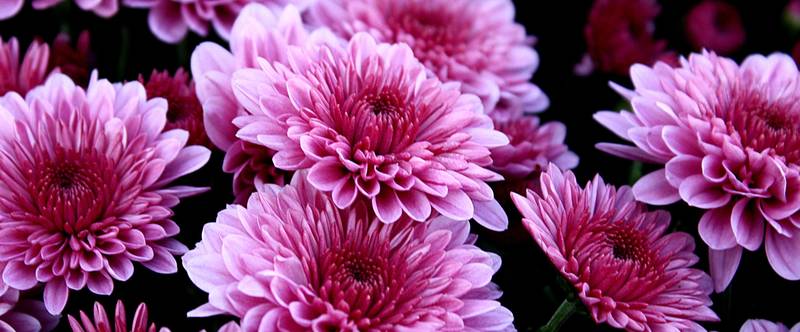

You may know dahlias for their dazzling flowers, but did you know you can give them a boost with the help of other plants? If not, it’s time to get familiar with companion planting. Whether it’s a massed planting in a bed or a single potted dahlia, companion plant species can help keep your prized blooms happy and healthy.
What to plant with dahlias
Look for plants with properties that deter common dahlia pests, such as slugs and aphids, or attract other visitors that can help keep those pests in check by feeding on them. Keep in mind that dahlias tend to be bushy in their growth habit, so give them plenty of space. When planting taller companions, position so that your dahlias are on the eastern side. This ensures they have full access to the morning sun (read more on dahlias in shade and sun).

Coriander
Best known for its culinary uses, coriander also has properties that repel aphids. Plant it around dahlias to help ward these pests out of the bed, while also keeping weeds at bay by filling out ground-level space in the bed.

Artemisia
The attractive, silvery foliage of artemisia is high in strong-scented oils that provide an effective deterrent for slugs, which can often be a pest for dahlias. Artemisia species include wormwood and culinary favourite tarragon.
Nasturtiums
Nasturtiums are suitable companion plants for dahlias in containers. These edible annuals repel aphids, and don’t mind the partial shade created by the taller dahlias. Trailing varieties will trail attractively from a pot or climb through a bed as ground cover.

Salvias
These hardy plants are magnets for bees, butterflies and small birds. Some of these visitors will even eat pest insects. Tall growing varieties (like Black and Bloom) can be positioned to help shade the surrounding soil from harsher afternoon sun, minimising moisture loss.
Why is companion planting important?
Most plants occur naturally as part of a local plant community. In general, most species do best alongside other plants with whom they have a mutually beneficial relationship. This may take the form of attracting beneficial insects, repelling pests, conditioning soil and more. As gardeners, we need not recreate a plant’s natural habitat, but learning about it can be useful in determining which plants will work well together in creating beneficial conditions. The result is flourishing plants, fuller garden beds, and less work for you! For more companion plant ideas, see our range of popular companion plants.

Current Sale

Share:
What Should I Do With My Amaryllis After It Blooms?
Dahlias: Shade or Full Sun?