





“What should I do with my Amaryllis after it blooms?” This is a question we hear quite frequently. Here, we’ll explain what to do with Amaryllis after blooming is over for the season by showing how this fits into the plant’s life cycle.
About Hippeastrums (Amaryllis)
While many gardeners know this plant as Amaryllis, we’ll refer to it by it’s other common name, Hippeastrum. Regardless of what you call them, these plants are Summer showstoppers, delivering a display of blooms that’s a true visual treat and highlight of the festive season.

Life cycle of Hippeastrums
As bulbous perennials, Hippeastrums follow a seasonal cycle that repeats each year.
- Dormancy into flowering
The bulbs are dormant over the cooler months, sending up shoots as the soil warms up in Spring. The Summer flowering period is relatively short, typically lasting up to three weeks. Individual flowers may appear at intervals, resulting in an overall longer flowering period.
- Nutrient intake
After flowering, foliage should remain on the plant until they die back. Leaves take in nutrients from the sun and manufacture food for the bulb ahead of its return to dormancy. This ensures the plant has the necessary building blocks to flower again the following year.
- Return to dormancy
Once the leaves have died off, the bulb can be said to be dormant once again. In cooler climates, many gardeners opt to lift and store the bulbs over winter. However, in many zones of Australia they can be left in the ground.

- Timing techniques
Hippeastrums are popular as Christmas displays or potted plants for gifting. For this reason, many people opt to control the flowering time. This is done by placing the bulbs in a fridge crisper in September, then planting about five weeks before flowers are desired.
Help with next year’s flowering
Here’s what to do with Amaryllis after it blooms.
- Remove spent flowers
Individual Hippeastrum stems do not reflower, so after a bloom has faded, you can cut the stem close to the top of the bulb. This keeps plants looking tidy while minimising the risk of fungal infections. Cut the leaves off only when they’ve completely died off.

- Help with feeding
After plants have finished flowering and just the leaves remain, it’s feeding time. While they do this on their own by taking in sunlight, you can give them a boost by applying fertiliser once the flowers are dying off to promote strong leaf growth. This can be very helpful for potted plants.
- Water with care
Hippeastrums don’t like dryness, so water weekly over the warmer months. Be sure to water into the soil at the base. Watering into the foliage or from overhead can lead to problems such as rot and grey mould, which can destroy the plant or impair leaf function.

Enjoy your happy Hippeastrums
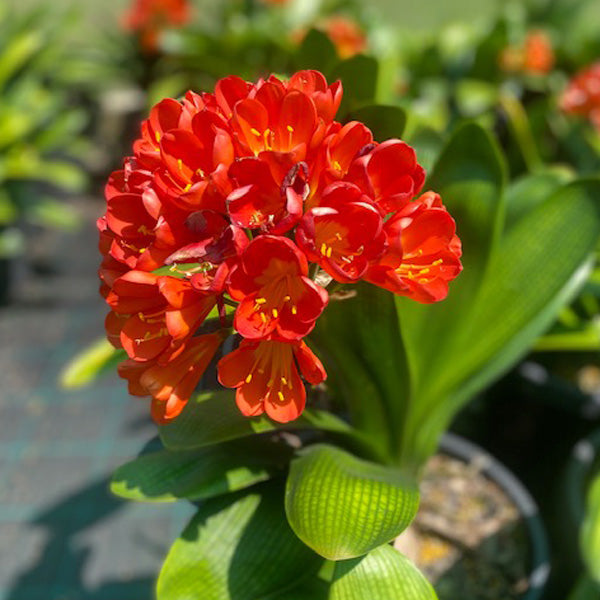
In short, caring for Hippeastrums after flowering isn’t too difficult - with just a little TLC, they’ll reward you with stunning flowers year after year. Garden Express stocks a huge range of Hippeastrum bulbs - the biggest challenge is picking out your favourites! Here are some of ours:


Share:
Hippeastrum Diseases
Dahlias: Shade or Full Sun?