



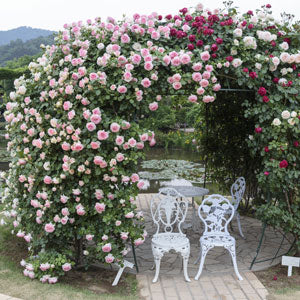
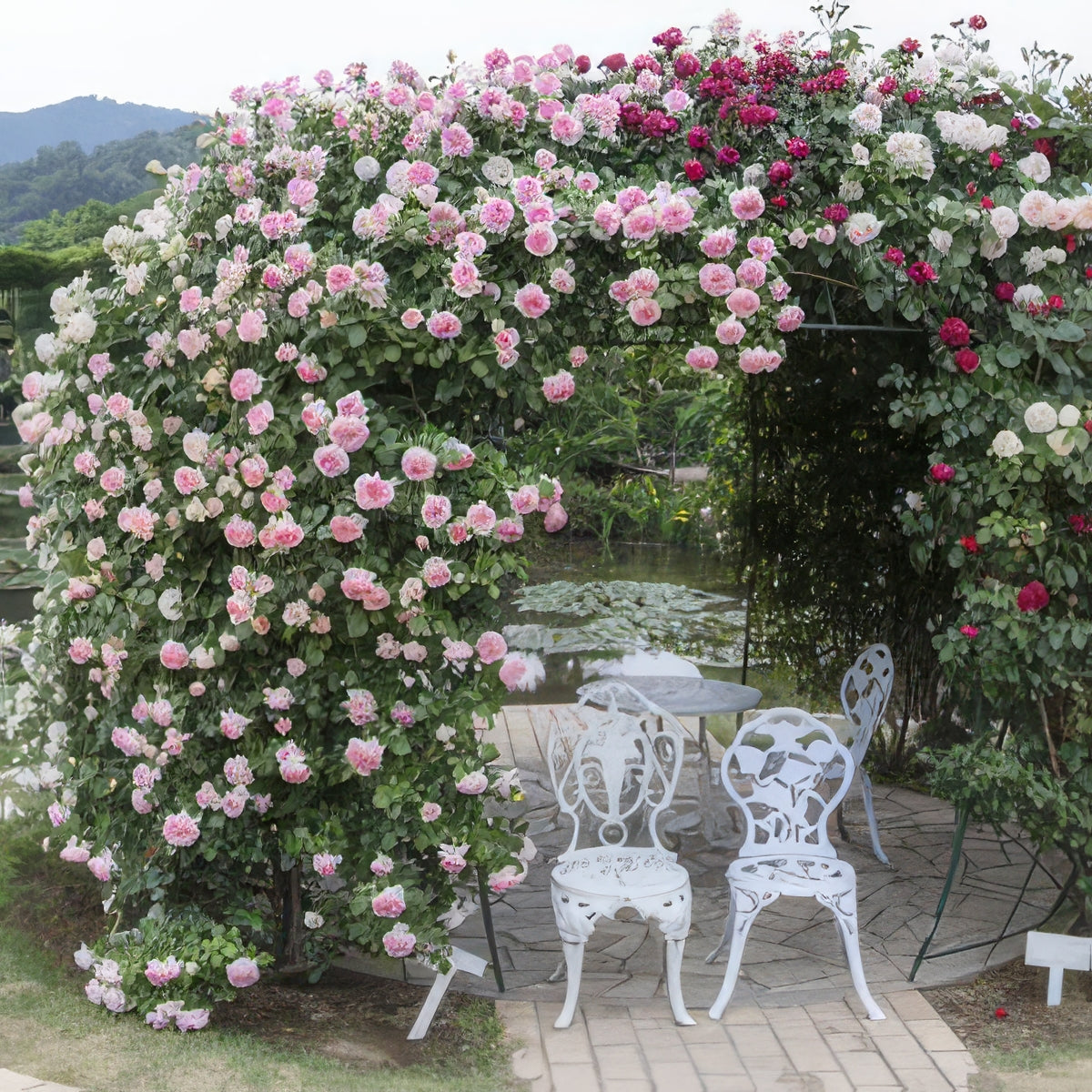
Climbing roses are the picture of elegance, transforming a garden into something absolutely stunning when grown right. Climbing roses aren’t typically difficult to grow, but there are a few useful tips for growing climbing roses gardeners should follow to get them moving in the right direction. If you’re wondering how to grow climbing roses properly, you’ve come to the right place. There are many options when it comes to climbing roses. Whether you want to have your roses hanging over pergolas, screening for privacy or tumbling over your fences, there’s no wrong way to approach these gorgeous flowers. The best climbing roses don’t end up that way without a little work and support from a passionate gardener. Roses won’t climb on their own until trained to do so, unlike natural climbers such as clematis or grapevines. Climbing roses should be supported regardless of how you are growing them, loosely tied in place with garden twine, flexible tape or another gentle alternative.

How long does it take to grow climbing roses?
Growing climbing roses takes patience and care. You won’t be seeing your climbing roses reach their full potential when they bloom for the first time. To get the true elegance out of your climbing roses, you will need to train them for a year or two to grow in the desired direction. During this period, it is best to only prune diseased or dead branches. By doing this, you allow the roses to properly establish, offering a fuller appearance at the base. After the first year or two, you can begin to shape your climbing roses and lightly prune them in late winter or early spring. Deadheading is also important to keep your roses continually blooming. The exact growing speed of your climbing roses will depend on numerous factors, including the variety you choose. If you are looking for a variety of fast-growing climbing roses, Iceberg climbing roses make an excellent selection.
What are the best roses for climbing?
The best climbing rose depends on the structure you want your roses climbing around. For example, the Pierre de Ronsard is a great choice for walls and fences, allowing for its branching shoots to spread out. Whether you’re looking for the best climbing roses for arches or something to add some grace to a doorframe, Garden Express has a diverse range of climbing roses on offer, including the Blue Moon and gorgeous Peace varieties.

Some great structural options for your climbing roses include:
- Walls and fences
- Arbours and arches
- Pergolas
- Chains and ropes
- Posts and pillars
It is important to have a vision for your climbing roses before choosing a variety. Consider what they will be climbing and what sort of appearance you are going for.
How to plant climbing roses
Bareroot planting is the best option to get strong climbing roses, allowing them to establish a robust root system. The ideal time for planting bare rooted roses in Australia is June and July; this allows the roses to establish before the weather gets too hot. Climbing roses do best with direct sunlight, so choose a location with plenty of sun exposure or, at the very least, light shade. Ensure the structure your roses will be climbing is secure and that the roses have support, such as a trellis. From there, simply plant your roses and make sure that the branches are loosely tied as they grow. Looking to add some beautiful and elegant climbing roses to your garden? Garden Express has everything you need to get started. Browse our wide range of climbing roses on offer to find the perfect ones for your garden.
Share:
Bare Root vs. Potted Roses
Growing Roses in Pots