



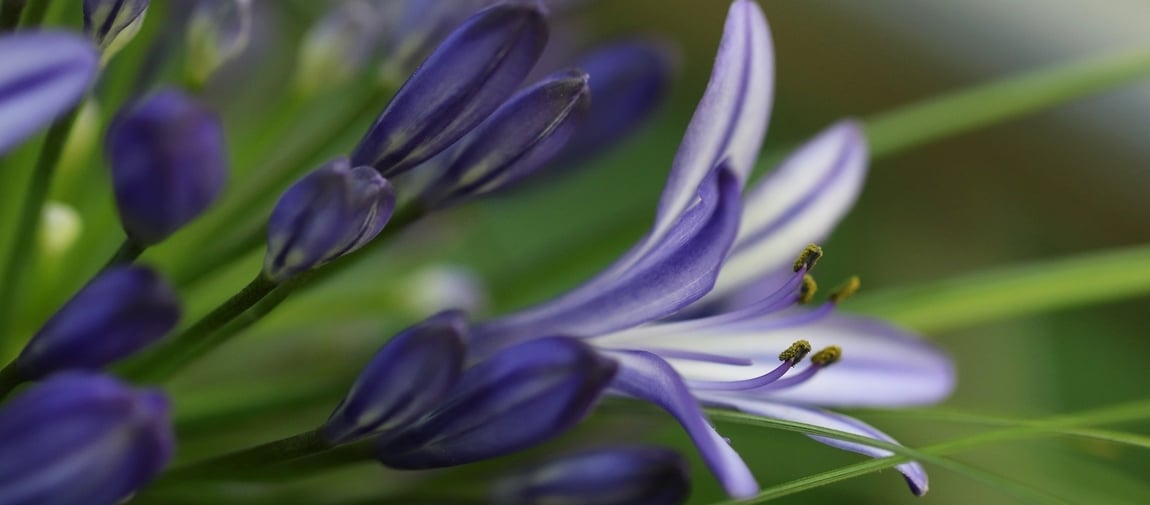
With its lush evergreen foliage and tall spikes of flowers, Agapanthus is a stately, strapping addition to many an Australian garden. As well as being visually striking, it’s a real star when it comes to filling difficult spots, thriving in places where nothing else is able to grow. The definition of hardy and tolerant, Agapanthus will put up with everything from poor soil to drought and is resistant to pests and diseases. These qualities have rightfully made it a horticultural staple.


Restrictions Planting Agapanthus
Unfortunately, the very qualities that make this plant such a trooper in challenging conditions also give it the potential to become invasive. In some regions, agapanthus has been known to take over bushland and other sensitive areas, out-competing local flora for resources and unbalancing the surrounding ecosystem. As a result, it has come to be thought of as a weed in many parts of the country.
In regions where this applies, including parts of New South Wales and Victoria, there are local government restrictions against planting agapanthus near bushland or other sensitive areas. These are to be taken seriously.
Even in areas where such guidelines do not apply, reproduction can be kept in check by simply removing flower heads before they set seed, and never dumping garden waste in bushland.

Safe Planting Varieties of Agapanthus
That said, there’s another simple solution for gardeners who want to grow agapanthus but are concerned about its invasive potential. It’s a simple matter of choosing sterile or low-seeding agapanthus hybrids and cultivars that won’t reproduce. For example, Garden Express stocks Black Pantha, a virtually sterile variety that’s safe to plant near sensitive native ecosystems.
Variety
As well as being good news for local flora, the push to create these non-invasive varieties has a number of other benefits. For starters, gardeners are no longer restricted to the standard form of the plant, with new flower and foliage colours available - think dark purple/black flowers, bi-colour flowers, striped leaves and dwarf forms. This has led to a revival of agapanthus’ popularity among gardeners.
In short, not all agapanthus plants are invasive
All it takes is a little extra consideration at the nursery to enjoy this brilliant, hardworking plant in your garden at no risk to native ecosystems.
Share:
Calla Lily vs Arum Lily - Can You Tell the Difference?
Calla Lily vs Arum Lily - Can You Tell the Difference?