



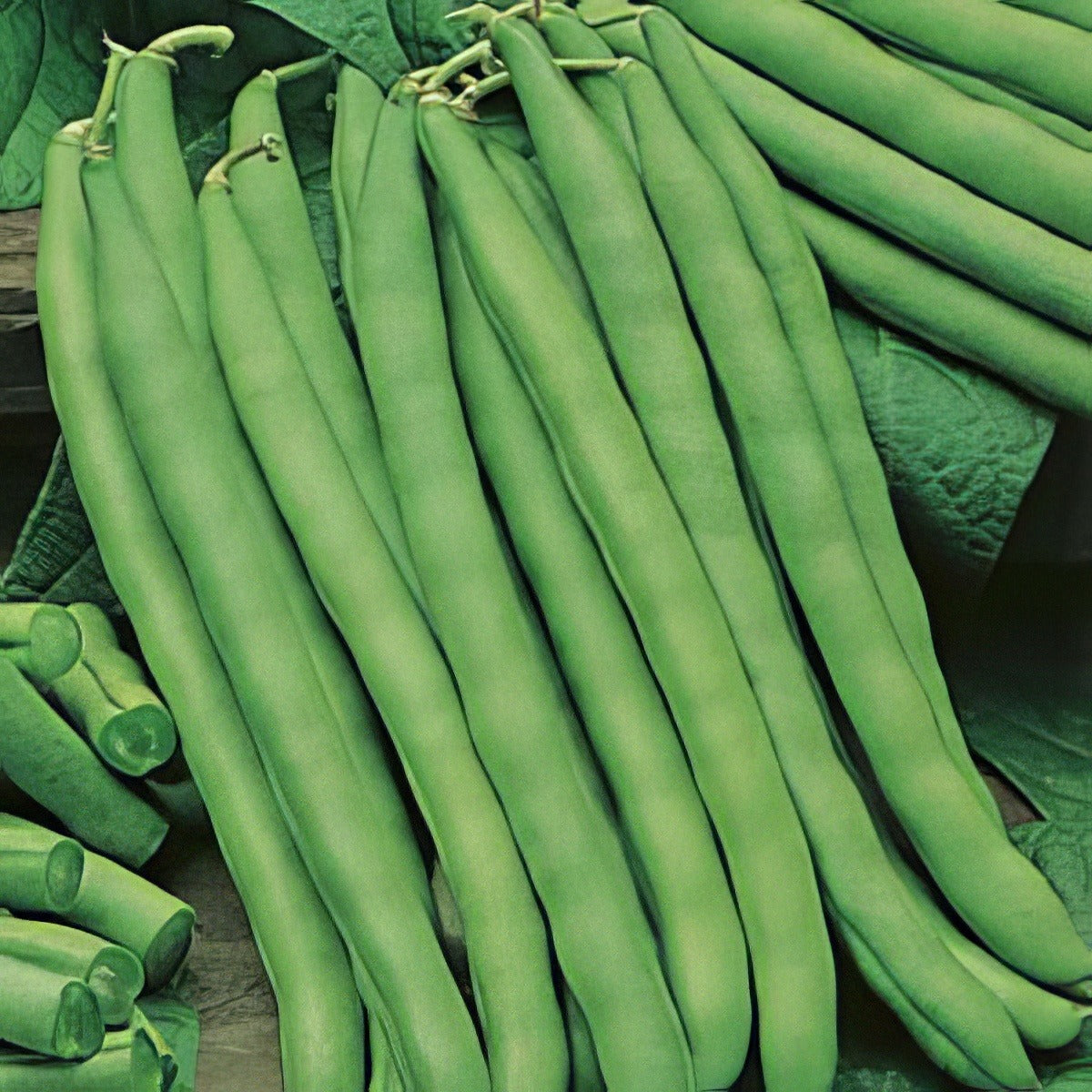
Seed - Climbing Beans Blue Lake
SKU: SEECLIBBL
Climbing Beans Blue Lake are a superb variety that grows tall and produces round stringless pods of delicious climbing beans. Well known for its flavour and heavy cropping, Blue Lake is one of the most popular climbing bean varieties. Beans are a hardy and easy to grow annual. Ideal for deep freezing and packed with delicious flavour!
Click and Collect available from Monbulk, Victoria
Generally within 2 - 4 working days of placing order.Click and Collect available from Monbulk, Victoria
Generally within 2 - 4 working days of placing order.Click & Collect is currently unavailable for this product option
Pairs well with
Did you know we offer and stand by our 100% Guarantee
Shipping Australia Wide
Customer Support - Available Mon-Fri: 8.30am - 5.00pm AEST
Plant Height: 1.8-2.4m
Seed packet contains 25g seeds.
How To Grow Sow bean seeds spring and summer, all year round in warm northern areas. Sow 25mm (1in) deep in dark damp soil-avoid watering for a day or two afterwards. Sow 10-15cm (4-6in) apart allowing 50-60cm between rows. Ensure the danger of frosts has passed and protect plants from wind. Plant in 1-3m (3-10ft) rows and remove weeds regularly. Keep the roots cool, a mulch of garden compost will help considerably. Water well in dry weather.
This variety may be grown as a pole bean or a ground bean. If growing as a pole bean, support with canes, netting or bean frames. Grown as ground beans they don't require any support but their size should be contained by regularly pinching out growing tips when shoots are 20-30cm (9-12in) long.
Additional fertiliser is not required as legumes produce their own nitrogen. They make an excellent soil improver.
When To Plant Plant these vegetable seeds in Spring and Summer. In warmer climate zones, planting in Autumn is also suggested.
Harvest 10-12 weeks
Sow Spring, Summer
Important Note Pick beans every 4-5 days to ensure a continuous crop.
CAUTION: These seeds are treated with a fungicide (Thiram or Apron XL), do not eat the treated seeds or feed the treated seeds to animals. Fungicide treatment is an AQIS requirement for certain varieties of seeds. Plants grown from treated seeds are safe for consumption and the powder coating dye on treated seeds are non-toxic to bees.
Seed - Climbing Beans Blue Lake
Click & Collect lets you order online and pick up from our Monbulk Gift Shop & Nursery, with no delivery charge. Because many of our plants are grown to order or held until they're at their best, orders generally takes 2 – 4 working days to prepare.
We'll call or email you the moment your order is ready to collect.
Product:
Seed - Climbing Beans Blue Lake
-
Monbulk - Gift Shop and Nursery
Click & Collect is available for this product, generally within 2 - 4 working days.
470 Monbulk Road
Monbulk VIC 3793
Australia
-
Check Out
If you are wanting to Click & Collect, please ensure you choose 'Pickup' in the delivery section when checking out.
-
Important Information
For Click and Collect orders, you will be notified when your order is ready for pickup.
Please do not expect your order to be ready before you have received a pickup confirmation.
Any questions please call customer service on 1300 606 242
If you have any questions, you are always welcome to contact us. We'll get back to you as soon as possible, within 24 hours on weekdays.
-
Shipping Information
Use this text to answer questions in as much detail as possible for your customers.
-
Customer Support
Use this text to answer questions in as much detail as possible for your customers.
-
FAQ’s
Use this text to answer questions in as much detail as possible for your customers.
-
Contact Us
Use this text to answer questions in as much detail as possible for your customers.
Will it grow where you live?
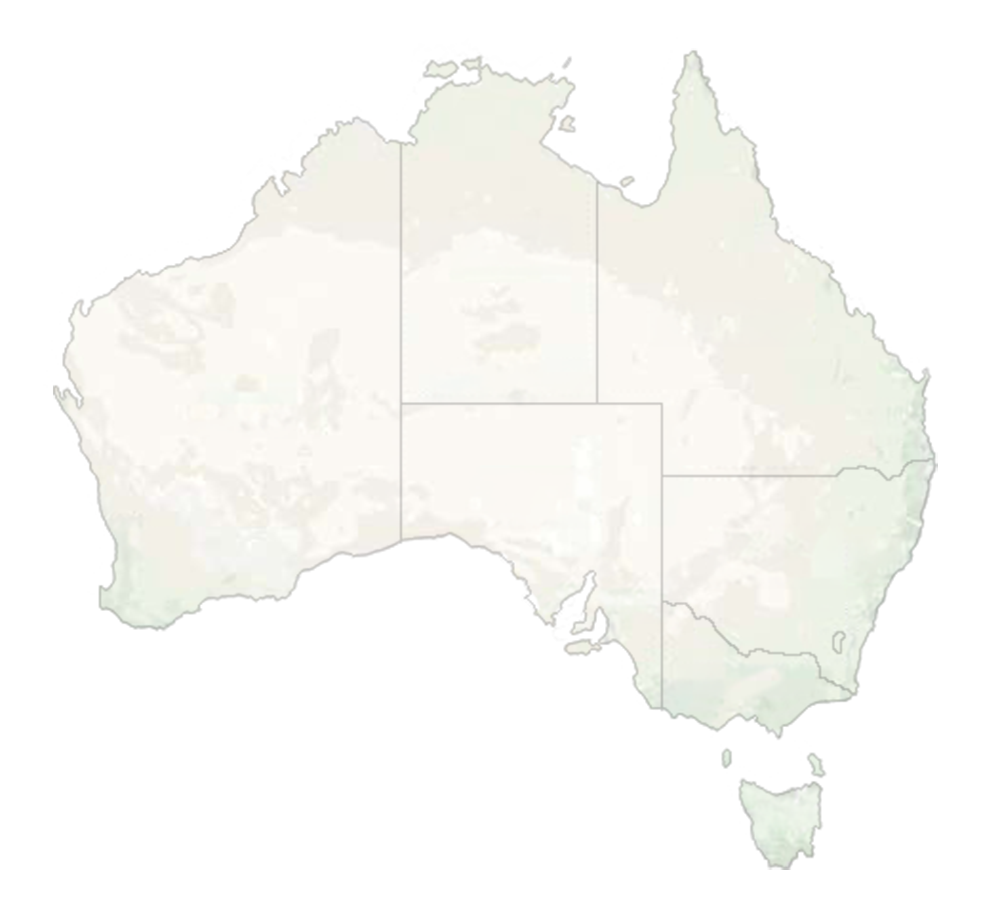






Will it grow where you live?
Seed - Climbing Beans Blue Lake is best suited to the Australian climate zones shown on the map and listed below.
To check your actual location please enter your postcode.
Tap any zone to show or hide it on the map
Climate zones are a guide. Microclimates in your garden may extend the range.