




In the wild, it’s the norm for plants to grow alongside a variety of different species. A local diversity of plant life helps to condition soil, make nutrients accessible, attract pollinators and keep populations of insects, animals and invasive plants from taking over. You can take a leaf out of nature’s book by filling out your spring veggie beds with herbs and flowers, matching varieties to the vegetables you’re growing. This is known as companion planting, and many gardeners agree that it helps boost crop health and yield while cutting down on work. Here are a few key tips to get you started.
Common spring companion plants
These popular pairings are well worth experimenting with. The worst you’re likely to experience is extra ingredients for the kitchen and fuller, prettier beds.
 Borage and strawberries
Borage, with its edible blue flowers, is fantastic for attracting pollinators that help strawberry plants yield more fruit. It also attracts predatory insects like wasps and praying mantis, which feed on smaller insects that can damage strawberries, and is a food source for butterflies.
Sunflowers and lettuce
Tall-growing sunflowers are great for shading crops like lettuce over summer. For this purpose, the sunflowers should be planted on the western side to shade from the afternoon sun, which tends to be hotter than the morning sun.
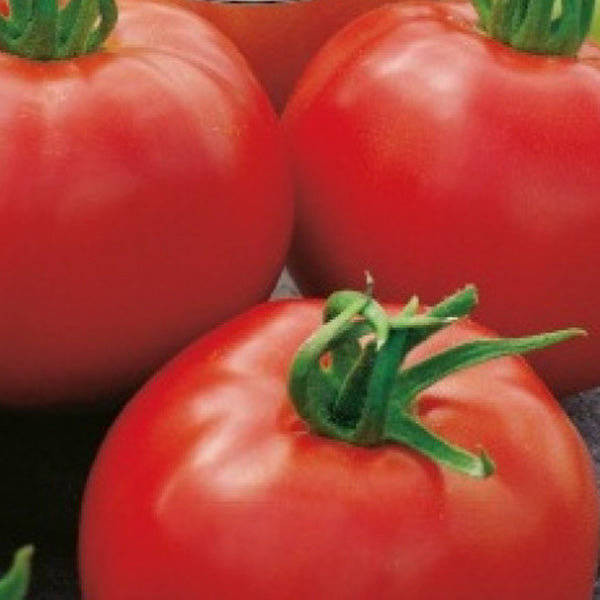
 Basil and tomato
Aromatic basil deters pests, and can attract pollinators if some is allowed to flower. Some gardeners believe that growing these plants together improves tomato flavour. And if nothing else, they’re a culinary match made in heaven!
Companion planting tips for beginners
- In each bed, include a variety of plant types. Consider factors like nutrient needs, root depth, flower type and sun/shade preferences. You can creatively work with these traits to create mutually beneficial groupings.
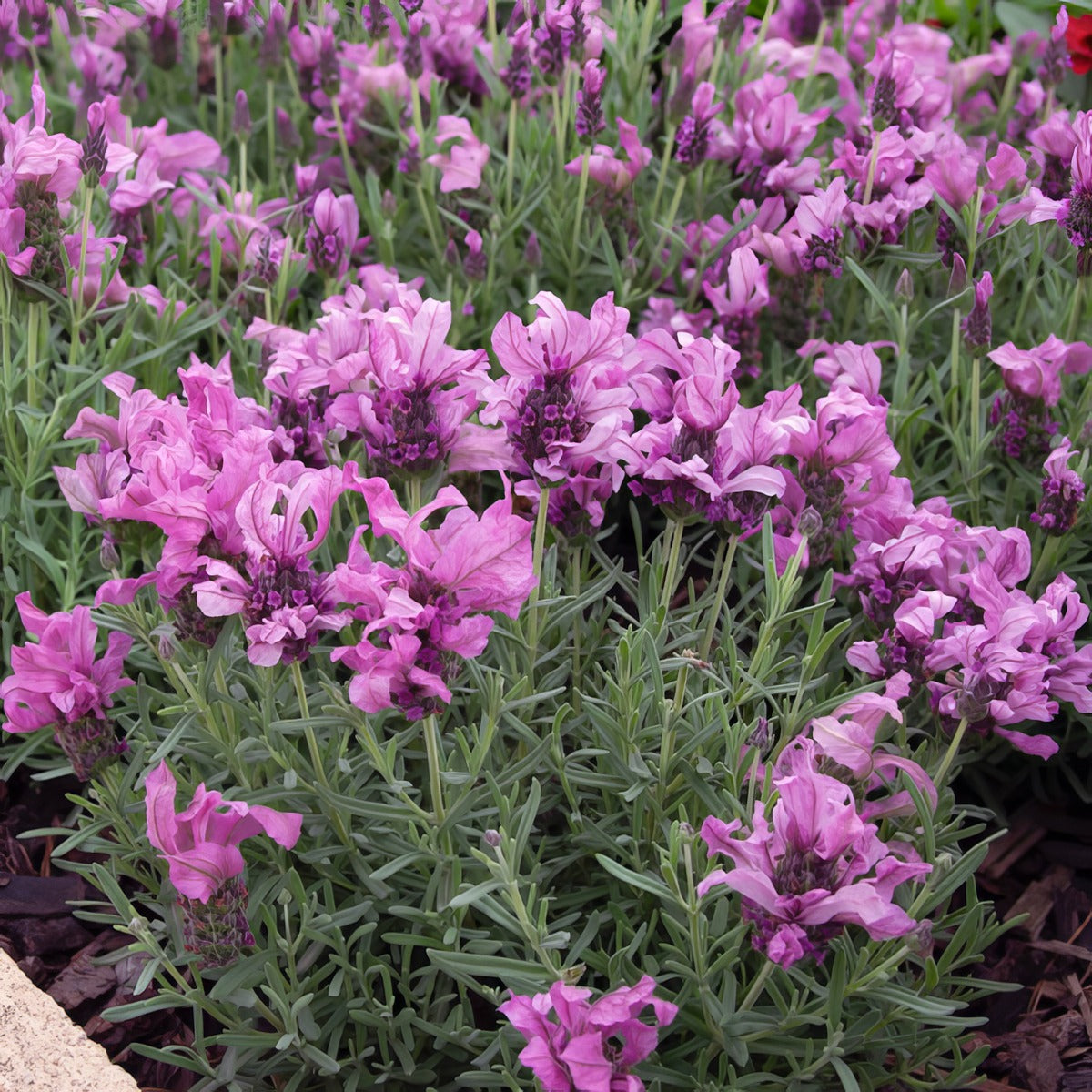
- Try plants with aromatic leaves to deter some of the insects that can plague vegetables. Many classic culinary herbs are ideal for this purpose - think rosemary, thyme, oregano, basil and sage. Flowers such as lavender, marigolds and nasturtiums are also good.
- Plant some colourful flowers to help attract pollinators to the veggie patch. For spring planting among veggies, try borage, sunflowers (except pollen-free cultivars) nasturtiums, calendula and marigold. You can also allow herbs such as parsley and basil to go to flower for this purpose.
- While there are a few rules of thumb that many gardeners swear by, they are not set in stone, so don’t be afraid to experiment. If a plant isn’t doing well, pay attention to what’s growing nearby. This will give you clues as to what might be lacking or in excess in the surrounding area.
Ready to give it a go?
Now’s the time to get your thinking cap on and try out some new combinations in your veggie beds this spring. For more ideas, browse our range of popular herbs companion plants.

Share:
Spring Gardening Tips
Best Gardening Gifts for Him